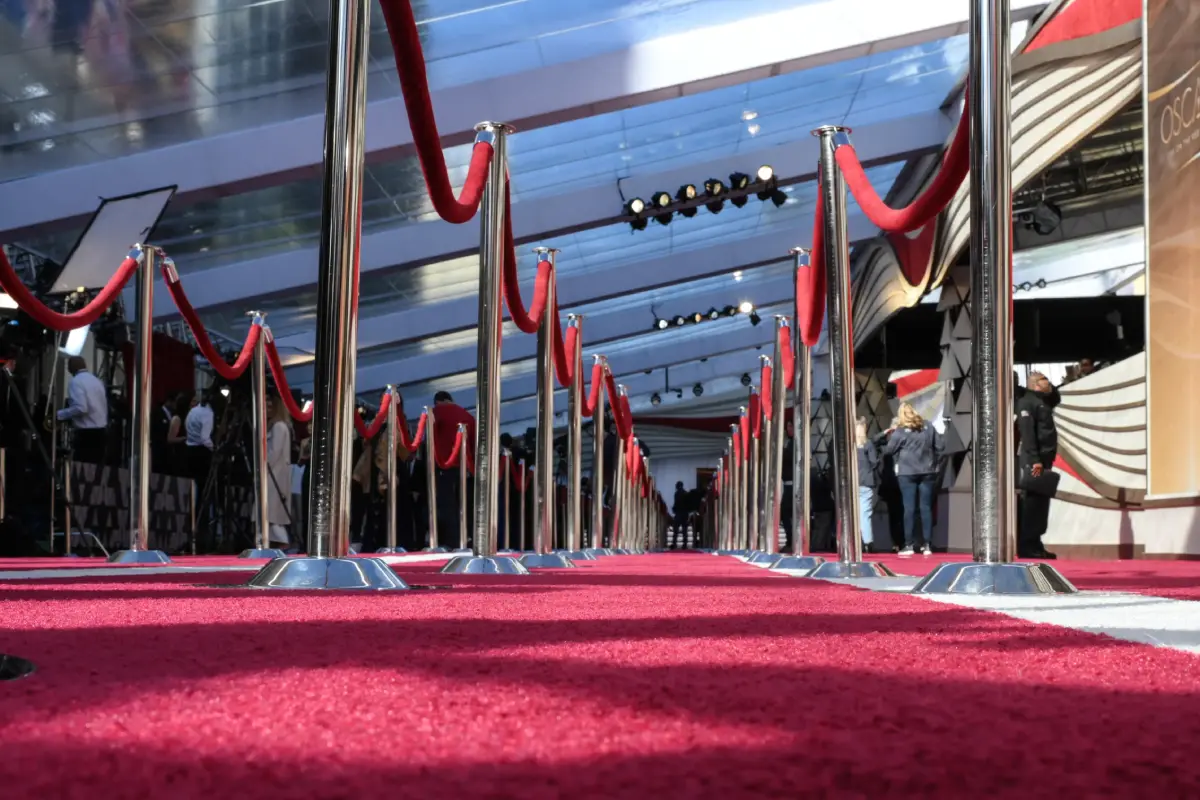
The dynamic has been further complicated by the demolition of the entry barrier via social media. The carpet is no longer reserved for the institutional press and photographers; now, the celebrities themselves self-document the approach in a limousine, broadcasting to their own channels. The ‘Instagrammable moment’ on the steps must be layered: authentic enough to feel intimate to a follower on a phone, yet grand enough to stop the scroll of a million timelines. This meta-layering turns the star into their own director, publisher, and critic, managing the instant reaction of a global audience as they physically navigate a blizzard of competing flash units.
Advertisement
In a twist of cultural irony, as the red carpet has reached peak commercial saturation, a counter-aesthetic of quiet radicalism has begun to emerge. Some artists deliberately disrupt the ritual by wearing archival pieces that reject the new-season commercial push, or by refusing to engage with the superficiality of the broadcast interviews. These acts of silent rebellion are attempts to reclaim the carpet as a walk of artistic arrival rather than a sales conveyor belt. When a performer refuses to answer a vapid question and instead stares down the lens with a look of challenge, they momentarily break the machine, reminding the audience that the human inside the gown has agency.
Ultimately, the red carpet survives—and thrives—because it serves a deep human appetite for ritual and spectacle. It is a secular coronation, a procession that marks the elevation of an artist to a higher echelon of the culture. As long as there is an appetite for fantasy, for the impossible architecture of a couture dress and the sparkle of irreplaceable gems, the carpet will remain. But its future likely lies in a more fragmented form, where the live broadcast competes with curated, controlled drops of imagery, and where the most powerful moments are those that refuse to play the game at all.