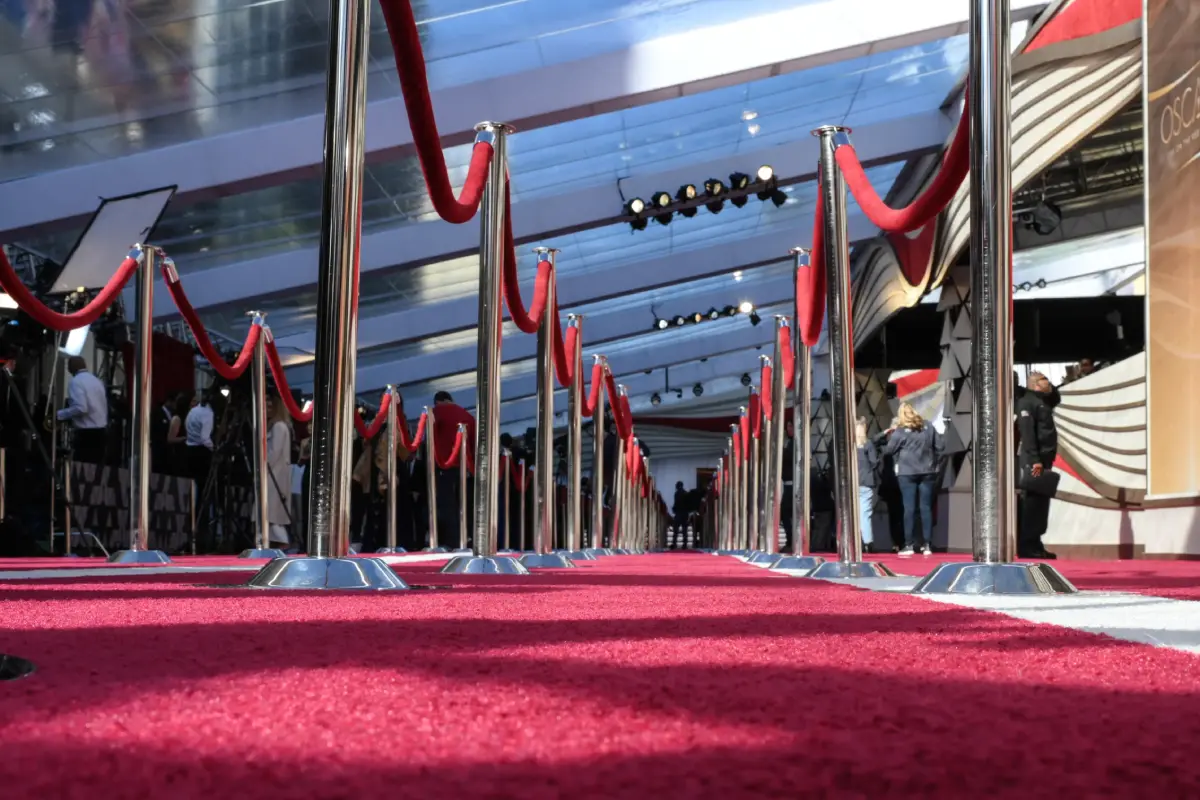
The red carpet is far more than a strip of plush fabric lining the entrance to a theatre; it is a meticulously controlled, high-stakes theatre of image-making that has morphed from a society photo-op into a global, multi-platform commercial spectacle. The evolution of this ritual mirrors the transformation of the entertainment industry itself, shifting from a celebration of artistry to a gladiatorial arena of branding. Every step a star takes across the crimson path is now a calibrated transaction, a negotiation between personal expression, contractual obligation, and the ever-shifting marketplace of attention.
Advertisement
In its earlier Hollywood iterations, the red carpet served as a velvet rope of mystique. The stars were shot in grainy black and white, gliding past with an air of untouchable glamour. The relationship was distant; the idol waved to the commoner from a regal distance. As the celebrity-industrial complex matured, the distance shrank. The carpet became an interview bay, a gauntlet of microphones and flashbulbs where the wall between the screen god and the human being began to thin. The public no longer just wanted to see the dress; they wanted a quip, a reaction, a moment of spontaneous humanity that they could own.
The modern red carpet has completed this transition into a highly monetised content farm. The ‘Who are you wearing?’ question is no longer a piece of gossipy colour; it is the central economic pillar of the enterprise. The relationship between a celebrity and a fashion house is a contractual marriage sealed on these twenty metres of fabric. The value of a single photograph featuring a leading actor in a specific haute couture gown, geo-tagged, time-stamped, and syndicated globally within seconds, is astronomical. The ritual is, therefore, a professional workplace, and the look on a star’s face is often the intense concentration of a model executing a deal, not the relaxed joy of a partygoer.