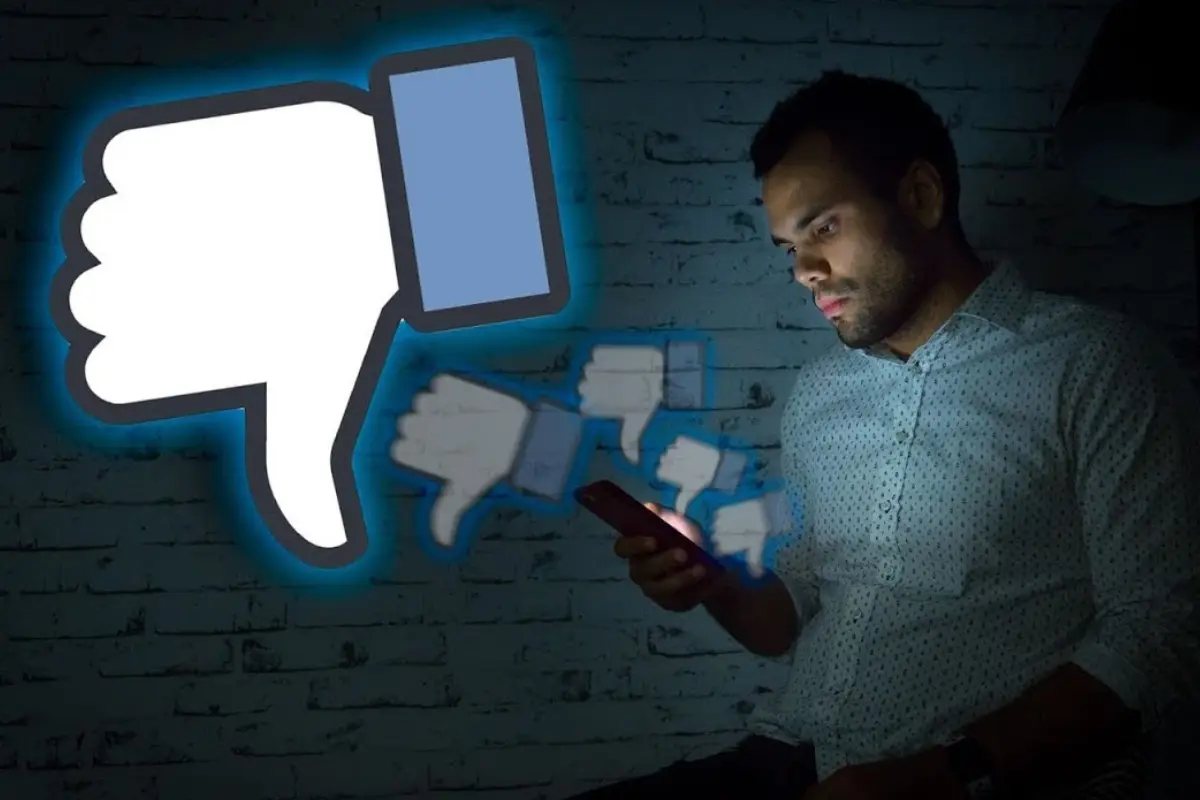
The direct line from a famous person to their audience, unfiltered by a publicist or a press junket, was once heralded as the great liberation of celebrity culture. Social media promised authenticity, a way to crack the veneer of perfection and show the ‘real’ human behind the performance. In many ways, this promise has been fulfilled; platforms have allowed artists to bypass gatekeeping media, to build their own narratives, and to foster communities of intense, direct loyalty. Yet, this tool of liberation has simultaneously become a leash, an unblinking panopticon that demands constant output and punishes any deviation from a tightly scripted digital identity.
Advertisement
The initial phase of this relationship was a honeymoon of curated intimacy. A behind-the-scenes photo from a film set or a casual kitchen selfie created the illusion of friendship. This cultivated closeness is a powerful commercial asset, transforming passive viewers into active defenders and promoters. A loyal fan army, mobilised by a single post, can drive box office numbers, bully critics into silence, and drown out negative press. This dynamic gave the star a sense of control previously unimaginable, allowing them to speak directly to their base without the ‘spin’ of a tabloid filter. For a moment, the artist held the reins.
The trap of this relationship lies in the algorithm’s voracious and unrelenting appetite. The machine must be fed. A silence of a few days is interpreted by the platform as a lack of engagement, causing the star’s content to be deprioritized. This economic pressure to post constantly erodes the quality of the output and blurs the line between the personal and the promotional. What started as a window into a life becomes a treadmill of content creation. The star is now a small business owner, perpetually on the clock, required to turn their grief, joy, breakfast, and politics into monetisable posts that please both an algorithm and a volatile public.