Home Celebrity
Category:

Celebrity

Advertisement

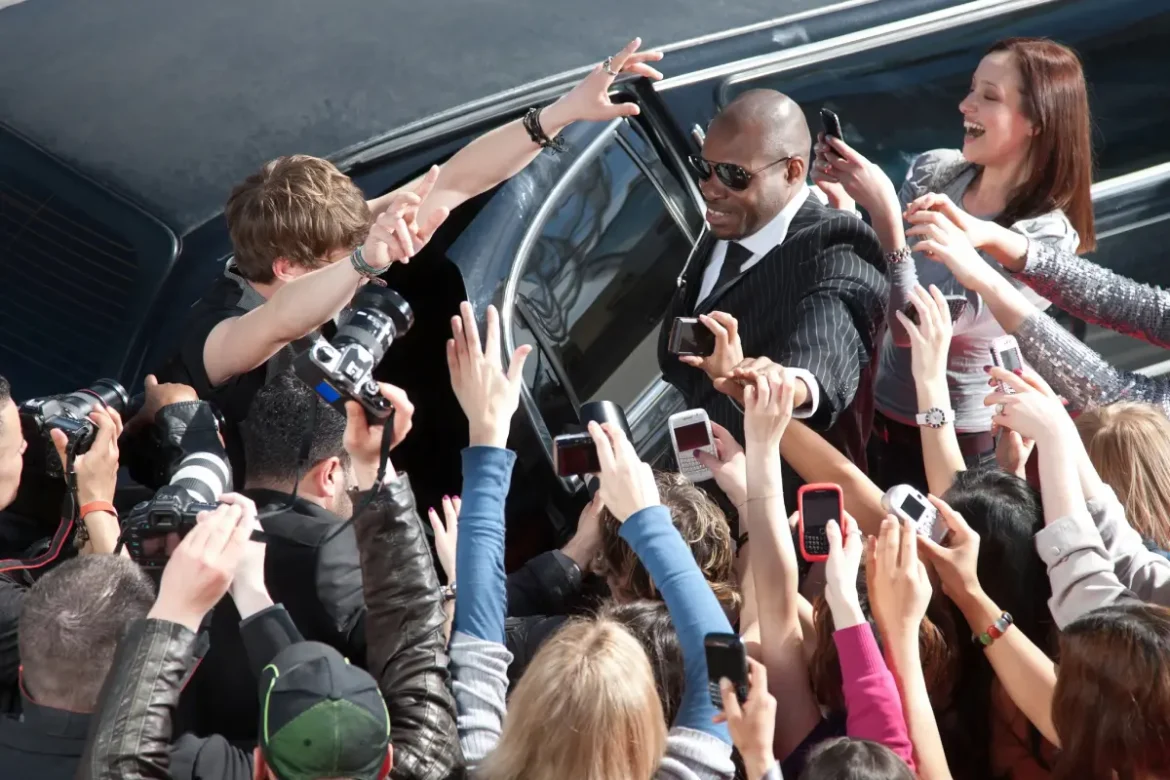
We live in an era where invisibility has become an active act of defiance rather than a natural state of being. For those in the spotlight, the expectation of constant visibility is a heavy crown, a non-negotiable clause in the contract of modern relevance. The smartphone camera and the relentlessly updating timeline have created a culture where to be ‘unseen’ for a window of time is to risk being culturally forgotten. This state of perpetual exhibition exacts a deep, often invisible price on the human psyche, a price paid in the currency of fractured identity, chronic hyper-vigilance, and a profound sense of unsafety within one’s own skin.

The condition of being perpetually watched forces a mutation in consciousness. Those living under this gaze often develop a ‘third eye’ perspective; they begin to see themselves from the outside, constantly self-monitoring their posture, their expression, and their environment as if directing a film in real time. This dissociation is a survival mechanism. By objectifying the self before an external lens can, one hopes to control the narrative. However, living entirely in this external, directorial mode prevents the deep, interior quiet required for repair and genuine self-reflection. The psyche becomes a glass house with no curtains, flooded with a light so harsh it bleaches out all shadows.

The economics of constant visibility transform the body and lifestyle into an asset that requires twenty-four-hour maintenance. A ‘day off’ is no longer a day off; it is simply a day where the production value is lowered to appear ‘relatable.’ This commodification of rest is insidious. The trip to the gym, the cup of coffee, the walk in the park are no longer acts of living; they become potential content shoots. The line between the restorative pause and the professional obligation blurs so thoroughly that the celebrity can lose the very ability to relax. Sleep is no longer a biological necessity but a beauty treatment, a tool to ensure that the asset looks fresh for the next morning’s paparazzi gauntlet.

Pages: 1 2

Advertisement

The direct line from a famous person to their audience, unfiltered by a publicist or a press junket, was once heralded as the great liberation of celebrity culture. Social media promised authenticity, a way to crack the veneer of perfection and show the ‘real’ human behind the performance. In many ways, this promise has been fulfilled; platforms have allowed artists to bypass gatekeeping media, to build their own narratives, and to foster communities of intense, direct loyalty. Yet, this tool of liberation has simultaneously become a leash, an unblinking panopticon that demands constant output and punishes any deviation from a tightly scripted digital identity.

The initial phase of this relationship was a honeymoon of curated intimacy. A behind-the-scenes photo from a film set or a casual kitchen selfie created the illusion of friendship. This cultivated closeness is a powerful commercial asset, transforming passive viewers into active defenders and promoters. A loyal fan army, mobilised by a single post, can drive box office numbers, bully critics into silence, and drown out negative press. This dynamic gave the star a sense of control previously unimaginable, allowing them to speak directly to their base without the ‘spin’ of a tabloid filter. For a moment, the artist held the reins.

The trap of this relationship lies in the algorithm’s voracious and unrelenting appetite. The machine must be fed. A silence of a few days is interpreted by the platform as a lack of engagement, causing the star’s content to be deprioritized. This economic pressure to post constantly erodes the quality of the output and blurs the line between the personal and the promotional. What started as a window into a life becomes a treadmill of content creation. The star is now a small business owner, perpetually on the clock, required to turn their grief, joy, breakfast, and politics into monetisable posts that please both an algorithm and a volatile public.

Pages: 1 2

Advertisement

The architecture of renown has undergone a seismic shift; we have traded the slow-building, monumental edifices of traditional celebrity for the explosive, instantaneous combustion of the viral moment. In this new world, a person can be literally unknown at sunrise, and by sunset, their face is a global hieroglyphic of a specific joke, a disaster, or a fleeting trend. This raw, unpredictable lottery of attention has democratised the entry point to fame but has also hollowed out its substance, creating a class of widely recognised faces whose importance evaporates with the speed of the streams that birthed them.

The viral lottery is governed by algorithms that value emotional volatility over sustained narrative. Unlike the classic star system, where a controlled studio build-up created a sense of occasion, viral fame is often tied to a single, decontextualized snippet of existence. A clip of a misjudged dance move, a passionate outburst on public transport, or a child’s accidental philosophical quip can ignite a firestorm of memetic replication. The subject of this attention rarely possesses the infrastructure—publicists, managers, media training—to handle the sudden deluge. They are teleported onto a global stage without any preparation, thrown into a conversation whose language they do not speak, expected to perform for a hungry mob that only values them as a living, breathing emoji.

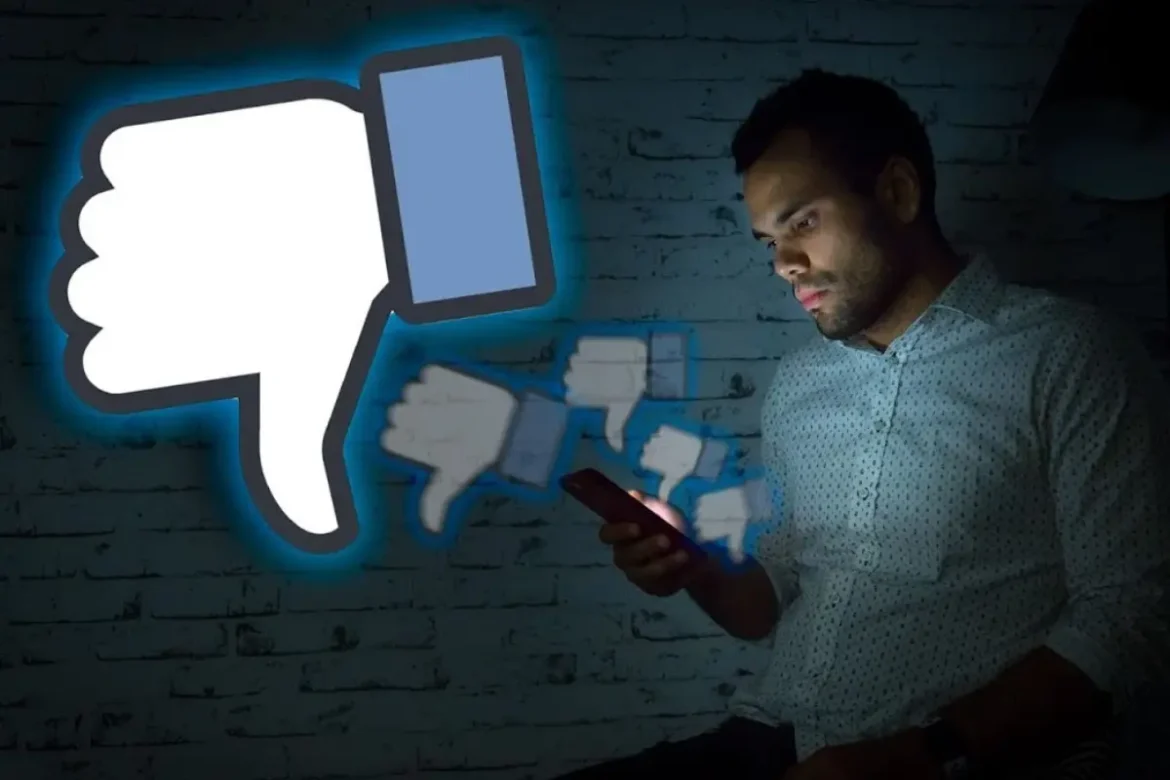
The economic incentive of this ecosystem is an engine driving reckless behaviour. When a moment of intense humiliation or absurdity can be converted into sponsorship deals, guest appearances, and monetised content streams, a twisted kind of optimization occurs. People, particularly young people, begin to engineer their own viral catastrophes, embracing the role of the clown or the villain because the algorithm rewards extreme valence over genuine expression. The goal shifts from ‘being respected’ to ‘being looked at.’ In this attention economy, notoriety and fame have been mathematically flattened into the same currency—the view count—leading to a blurring of moral lines that can be socially disastrous.

Pages: 1 2

Advertisement

The red carpet is far more than a strip of plush fabric lining the entrance to a theatre; it is a meticulously controlled, high-stakes theatre of image-making that has morphed from a society photo-op into a global, multi-platform commercial spectacle. The evolution of this ritual mirrors the transformation of the entertainment industry itself, shifting from a celebration of artistry to a gladiatorial arena of branding. Every step a star takes across the crimson path is now a calibrated transaction, a negotiation between personal expression, contractual obligation, and the ever-shifting marketplace of attention.

In its earlier Hollywood iterations, the red carpet served as a velvet rope of mystique. The stars were shot in grainy black and white, gliding past with an air of untouchable glamour. The relationship was distant; the idol waved to the commoner from a regal distance. As the celebrity-industrial complex matured, the distance shrank. The carpet became an interview bay, a gauntlet of microphones and flashbulbs where the wall between the screen god and the human being began to thin. The public no longer just wanted to see the dress; they wanted a quip, a reaction, a moment of spontaneous humanity that they could own.

The modern red carpet has completed this transition into a highly monetised content farm. The ‘Who are you wearing?’ question is no longer a piece of gossipy colour; it is the central economic pillar of the enterprise. The relationship between a celebrity and a fashion house is a contractual marriage sealed on these twenty metres of fabric. The value of a single photograph featuring a leading actor in a specific haute couture gown, geo-tagged, time-stamped, and syndicated globally within seconds, is astronomical. The ritual is, therefore, a professional workplace, and the look on a star’s face is often the intense concentration of a model executing a deal, not the relaxed joy of a partygoer.

Pages: 1 2

Advertisement

The demarcation between a public persona and a private life has been all but obliterated in contemporary culture, creating a volatile ecosystem where the demand for access is insatiable and enforcement of boundaries is met with hostility. The architecture of modern celebrity is no longer built on a foundation of mystique and distance but on a perceived intimacy that fans feel entitled to protect, nurture, or invade at will. This collapse of personal space is not simply an occupational hazard; it is a radical restructuring of the human contract, where the right to say ‘no’ to a camera is now treated as an admission of guilt or arrogance.

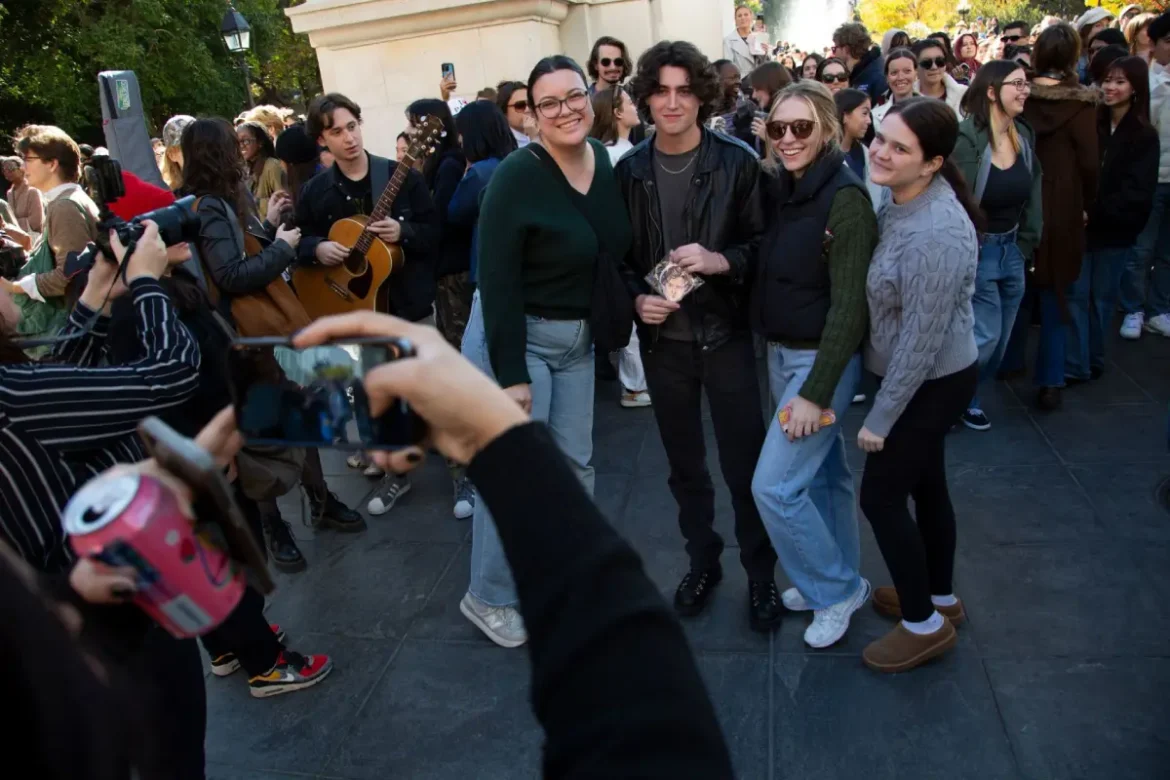
The mechanics of this vanishing boundary are powered by the ubiquity of the high-definition camera lens in every pocket. It is not merely the paparazzi on a long lens hiding in a bush who captures a private moment; it is often a fellow diner at a restaurant, a nurse in a medical facility, or a passenger on a flight. The gamification of the ‘sighting’ turns every civilian into a bounty hunter for social media clout, stripping the subject of the ability to move through the world in a state of unguarded normalcy. The resulting images are traded like currency on an open market, completely divorced from the consent of the body they capture.

This relentless documentation forces a specific psychological posture known as the ‘performance of the self.’ Famous individuals learn to deactivate their natural, relaxed expressions whenever they leave a secure zone, replacing them with a neutral, mask-like smile that betrays nothing actionable. This state of permanent performance is profoundly dissociating. To remain viable, a celebrity must sell authenticity while being unable to safely be authentic. The attempt to protect one’s inner core by manufacturing a public facade often leads to a hollowing out of identity, a condition where the individual loses track of where the brand ends and the person begins.

Pages: 1 2

Advertisement

logo-white

Contact information

Disclaimer

The information provided on this blog is for general informational and entertainment purposes only. All content reflects personal opinions and experiences and should not be considered professional, legal, financial, medical, or other specialized advice. While efforts are made to keep the information accurate and up to date, no guarantees are made regarding completeness, reliability, or accuracy.

All rights reserved © 2026