
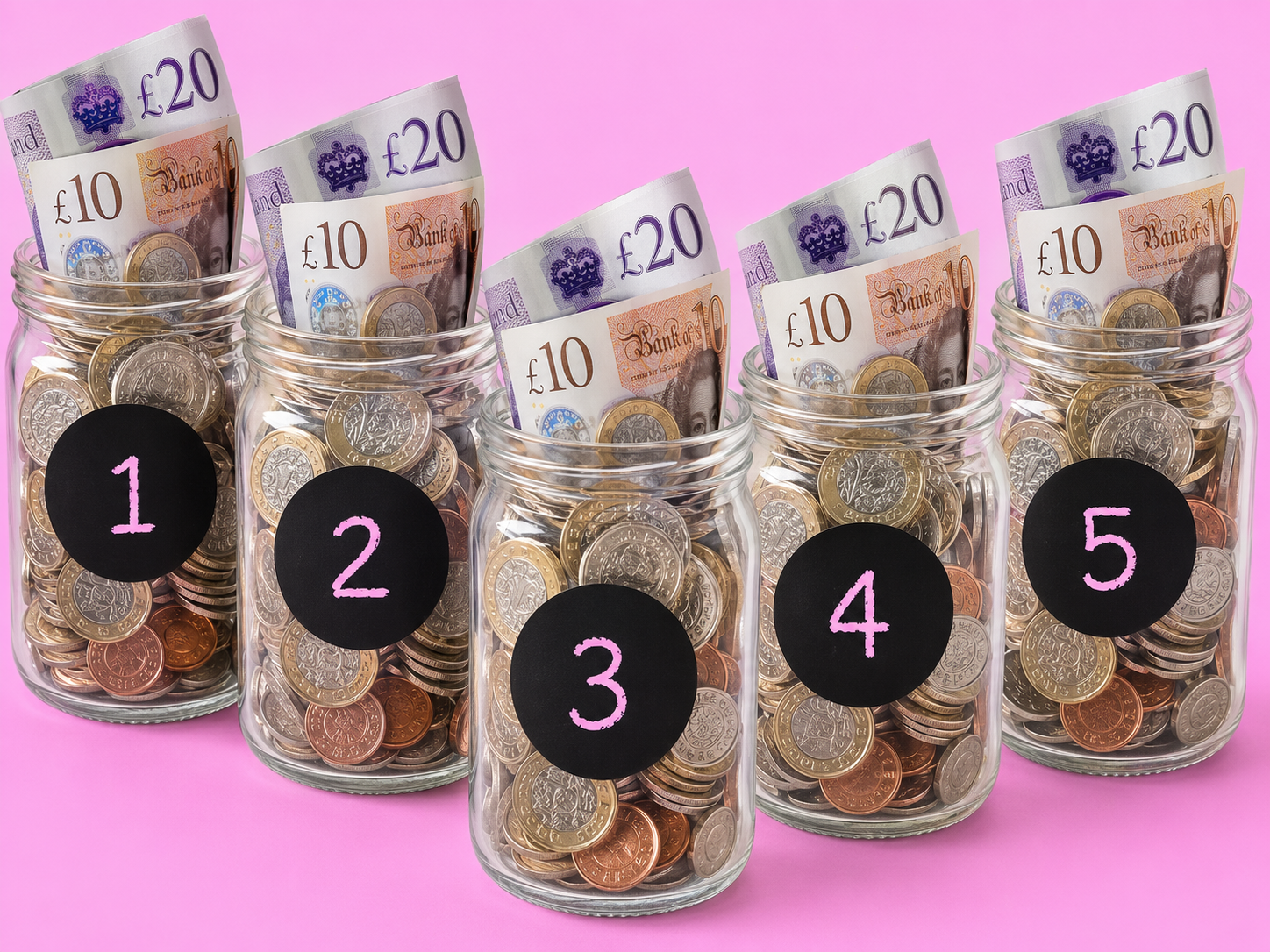
Financial advisors often recommend bucketing your savings by timeframe: keeping one portion for immediate expenses, a second for the medium term, and a third for the long haul. This lowers the risk of making a mistake where all your money sits dormant while steadily losing purchasing power.
Advertisement
For those willing to look beyond standard bank accounts, investments such as bonds — including inflation-linked options — are frequently highlighted. However, it is vital to remember that higher-yielding instruments generally carry higher risks, so a “set it and forget it” strategy only works for part of your portfolio.
Another sensible move is paying down high-cost debt and reassessing everyday spending. If credit card debt or loans are consuming your income faster than your savings can grow, protecting your cash from inflation becomes considerably harder.
Ultimately, the takeaway is simple: money shouldn’t just sit there doing nothing. The higher the rate of inflation, the more critical it becomes not just to save, but to allocate your money wisely so it doesn’t lose value month after month.