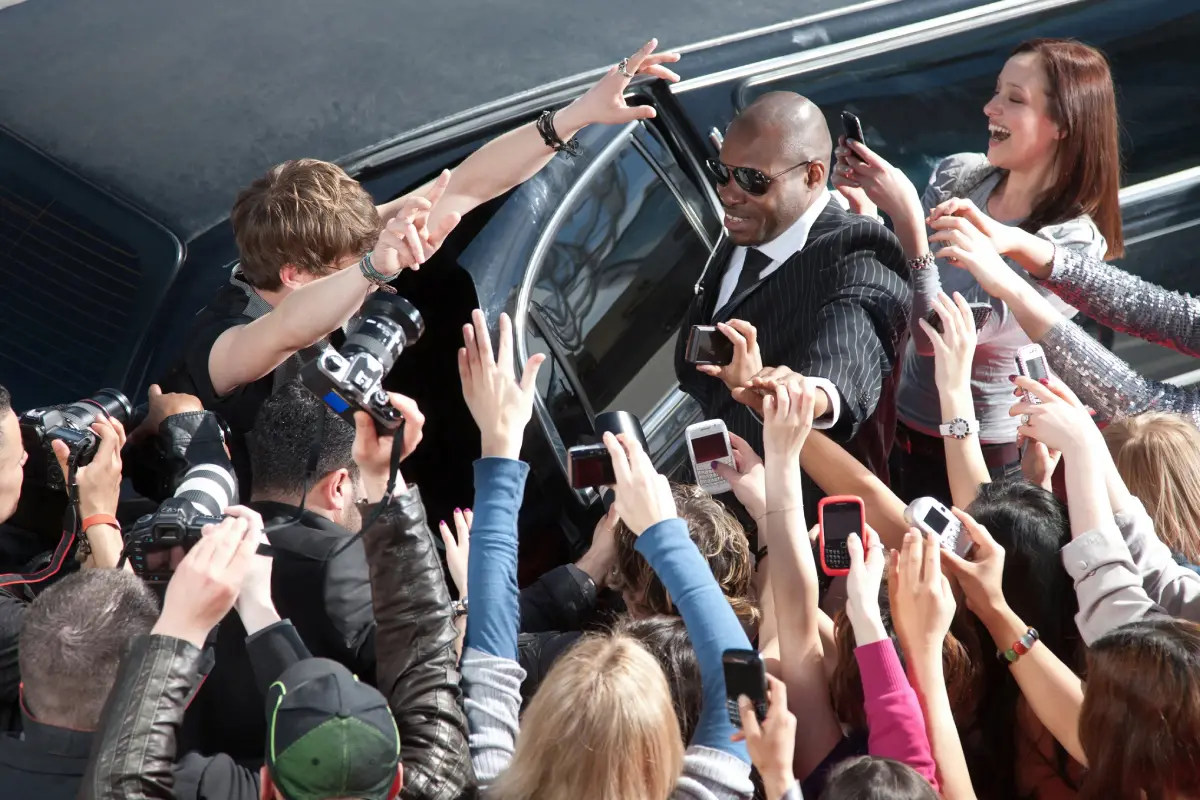
The emotional consequence is a paradox of isolation echoing in a crowded room. Despite being surrounded by handlers, assistants, stylists, and millions of digital followers, the individual can feel utterly unseen as a person. Every interaction is tinged with transactionality; the fear that a confidant might sell a secret, that a lover might be using the proximity for a press boost, becomes a rational, evidence-based paranoia. Genuine human connection relies on a mutuality of exposure that the constantly visible simply cannot afford to offer. They are trapped behind a one-way mirror, isolated by the very spotlight that claims to connect them.
Advertisement
The physical body itself begins to rebel against the condition of constant visibility. The stress of hyper-vigilance manifests in a range of psychosomatic ailments: cortisol spikes, adrenal fatigue, a nervous system that has forgotten the code for ‘off.’ We see the somatic markers of this stress in the clenched jaws of red-carpet photos and the tight, guarded shoulders of those walking through airports. It is a physical armour that, over years, ossifies into chronic pain and illness. The body keeps the score of the flashing bulbs, and that score often reads as a deep, physical depletion that no luxury spa can reverse.
Escaping the total glare is not a matter of physical evasion—there is no remote island without satellite internet—but a radical internal boundary. It is a psychological divestment from the feedback loop. The choice to prioritise a private sense of self over a public reputation is perhaps the hardest battle a public figure can fight, because it often means accepting a loss of commercial velocity. Yet, the hidden life, the thought unshared, the walk not photographed, is where sanity germinates. The price of constant visibility is the erosion of the unobserved soul, and the only payment that halts that erosion is a ferocious, protective embrace of the dark.