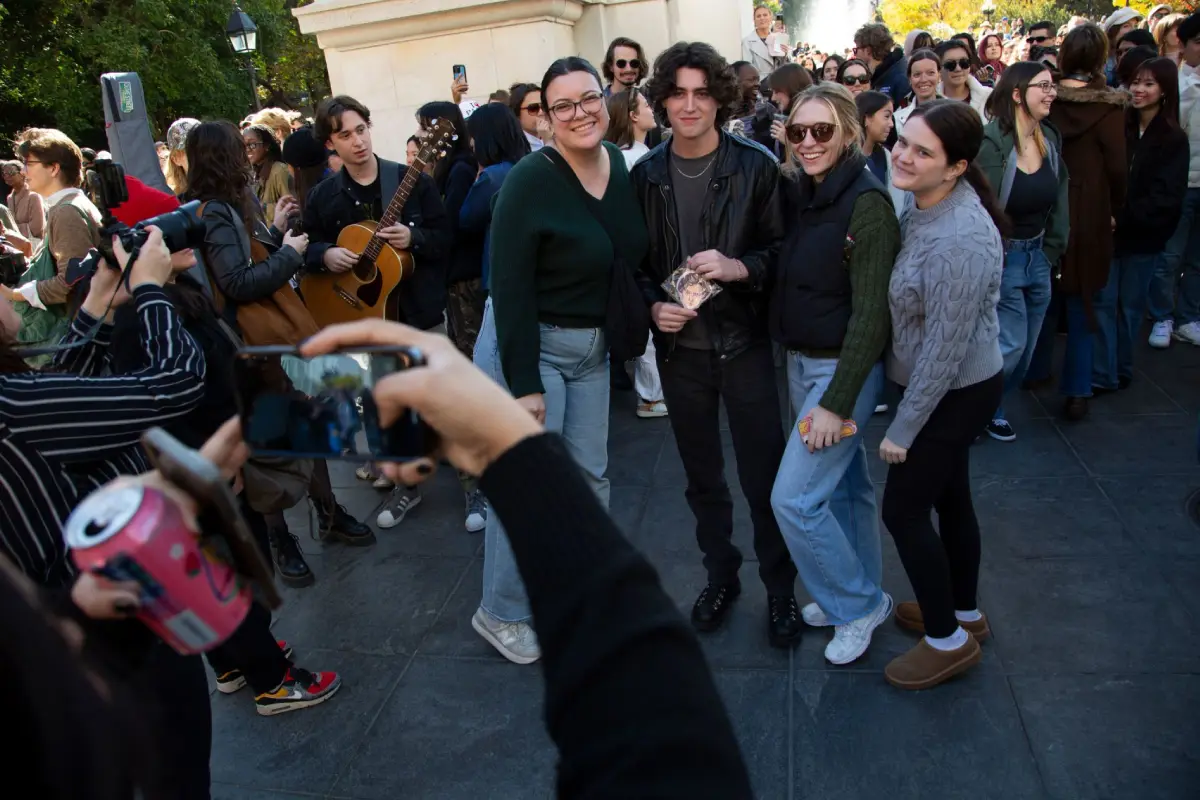
However, the sheer weightlessness of the viral moment creates a profound existential void for those who catch the lightning in a bottle. A traditional actor could, even with a flop, rely on their training and their craft as an identity. A viral sensation, however, is often entirely defined by the singular event that launched them. When the internet moves on—and it always does, often within seventy-two hours—the emotional crash is devastating. These individuals are subjected to a forced retirement from relevance while still in the prime of their lives. They must navigate the dissonance of a world that treats them as a depleted resource, a ‘has-been’ whose shelf life was consumed in a matter of days.
Advertisement
The audience’s role in this dynamic is one of collaborative arson. We are the spark and the accelerant. The collective act of sharing, parodying, and dissecting a viral clip is a form of mass participation in a fleeting cultural ritual. But this ritual lacks a closing ceremony; there is no closure for the subject. The internet remains a permanent archive of their most exposed moment, a digital pillory that is indexed and searchable forever. The right to be forgotten, a legal concept struggling for breath in the digital age, is all but impossible to exercise when a hundred thousand copies of a video are stored on servers around the world.
Perhaps the only sustainable defence against the brutality of this lottery is a complete cultural revaluation of what fame means. It requires a move away from the idea that visibility is a virtue in and of itself. We must champion the creator over the momentary sensation, valuing the slow, cumulative work of those who build skill rather than those who are simply caught in a windstorm of algorithm luck. Until we learn to look away from the explosion, the landscape will continue to be littered with the debris of those who were briefly, brightly, and catastrophically famous for nothing at all.