Home News
Category:

News

Advertisement

For many Britons, owning a home has long been considered the ultimate financial safety net for old age. People spent decades paying off mortgages, raising families, and expecting to live out their retirement peacefully in a familiar neighbourhood.

Now, some homeowners are being told that a property which unexpectedly soared in value could turn into the source of a new annual tax bill.

And they will have to pay it regardless of whether their income has increased.

Council leaders in Kensington and Chelsea, Wandsworth, Richmond upon Thames, and Westminster have demanded a overhaul of the planned Council Tax surcharge on high-value properties. By their estimates, residents in these four boroughs alone could contribute around £270 million every year—roughly half of the total sum the government expects to collect nationwide.

Property Value Rose—Now You Have to Pay for It?

The new system has been officially named the High Value Council Tax Surcharge. It is set to take effect in England from April 2028.

It will apply to owners of residential properties valued at £2 million or more. This new levy will not replace standard Council Tax, but will be charged in addition to it.

Four payment tiers have been proposed:

Estimated Property Value Annual Surcharge
£2m – £2.5m £2,500
£2.5m – £3.5m £3,500
£3.5m – £5m £5,000
Over £5m £7,500

Starting in the 2029/30 tax year, these amounts are expected to be index-linked annually to inflation. The liability will rest squarely on the property owner, and revaluations of high-value homes are planned every five years.

On paper, it looks like a targeted tax on the wealthiest.

However, London local authorities argue that the reality is far more complex.

In the capital’s most expensive postcodes, the value of an ordinary family house could have multiplied over decades, even if its owner never got any richer. Pensioners who bought their property many years ago and now rely on a fixed pension income are exceptionally vulnerable.

Their house might be worth several million on paper, but that does not mean they have a spare £2,500 to £7,500 sitting in their bank account every year to cover a new surcharge.

Representatives from the four boroughs warn that for some elderly homeowners, the choices could prove deeply distressing: scrimp for extra cash, accumulate debt, or consider selling the family home.

“Not Everyone Living in a High-Value Home Is Rich”

The core argument of the tax’s opponents is that the government is assessing property value while paying virtually no attention to the owner’s actual cash flow.

A person could have bought a house long before house prices exploded, lived there for 30 or 40 years, and retired. Over time, the area gentrified, pushing the property’s valuation past £2 million.

On paper, the owner holds an expensive asset. In reality, their day-to-day budget might consist purely of the State Pension and a modest private pension.

Local council leaders argue that it is fundamentally unfair to equate such residents with property investors or high-net-worth individuals. In their view, a primary residence should not automatically be treated as liquid capital from which the state can extract recurring payments.

Why London Will Bear the Brunt

The government maintains that the new surcharge will affect less than 1% of residential properties in England.

However, these properties are distributed across the country in an extremely uneven fashion. A massive proportion of homes worth over £2 million are concentrated in a handful of London boroughs, where even modest-sized properties command astronomical prices.

This is precisely why just four London councils could end up providing roughly half of all expected tax revenues from the policy.

It creates a stark paradox: a modest flat or terrace house in a prime London borough could fall under the tax, while a far larger country estate in another region stays comfortably below the £2 million threshold.

In Richmond alone, initial council estimates suggest the new tax could hit roughly 5,730 properties, with owners facing a minimum extra charge of £2,500 a year.


Pages: 1 2

Advertisement

The traditional retirement roadmap is familiar to most families across the UK: work hard, save diligently, live frugally off your nest egg, and try to pass down a house, investments, or at least a healthy bank balance to the next generation.

However, a growing cohort of future retirees no longer views this as the gold standard. Instead of striving to leave behind a maximum inheritance, they are opting to fund travel, create lasting experiences, and offer financial support to loved ones while they are still around to see the benefits. Their underlying objective is provocative: to utilise almost everything they have saved by the time they reach the end of their lives.

Yet can you realistically aim for a “zero balance” without running headlong into a financial catastrophe in extreme old age?

Why Save Money You Will Never Get to Use?

Francesca Baker-Brooker is 39; her husband Andy is 41. They own a flat in Shoreditch, work in London, and have chosen not to have children.

Despite being relatively young, the couple have already laid solid foundations for the future. Francesca, who works in public relations, has amassed roughly £400,000 across her pension accounts. Andy, a chartered accountant, targets a pot close to £1 million before stepping away from his career.

Their ultimate goal, however, diverges from traditional financial planning. The couple have no intention of spending their best years deferring gratification, only to leave a vast sum untouched.

Instead, they plan to spend their capital on travel, comfortable living, and shared experiences—gradually decumulating their wealth as they age.

Francesca puts it plainly: the necessary safety net is already in place, making endless accumulation for the sake of a larger number on a screen seem pointless. The couple would rather enjoy life right now than wait for an uncertain date down the line.

The Origins of the “Die With Zero” Philosophy

This approach owes much of its popularity to Die With Zero, a 2020 book by American investor Bill Perkins.

Its core thesis is that money holds no intrinsic value. It matters only because it buys time, autonomy, security, and life experiences.

Viewed through this lens, a substantial surplus left behind after death represents unspent life energy—hours exchanged for money that was never converted into anything meaningful.

Perkins also introduces the concept of “memory dividends”. A holiday, a family gathering, or a milestone event delivers enjoyment long after it concludes; the resulting memories compound emotionally over decades.

Consequently, there is a strong argument for spending earlier. A major trip taken at 50 is likely to yield far greater utility and enjoyment than the same itinerary attempted at 85, when health and mobility may well be constrained.

Passing On an Inheritance Sooner

Giving while living forms a cornerstone of this philosophy.

Most people inherit wealth when they are already well into middle age—frequently in their 50s or 60s. By that stage, life’s major financial hurdles have often been cleared: university fees are settled, property has been purchased, and careers are established.

The very same sum could be transformative 25 or 30 years earlier, helping a young adult secure a deposit on a first home, launch a business, fund further education, or avoid high-interest credit.

Advocates of this strategy suggest giving away a portion of wealth while still alive. This allows parents to support their children when it matters most, while enjoying the satisfaction of seeing the impact firsthand.

For childless couples, the decision is even more straightforward. Without direct heirs, deciding who gets the remaining capital—and why—demands active planning.

Francesca notes that many of her friends in London are also childless. In one case, an older relative hesitated to spend part of her savings on a holiday, feeling the money was effectively spoken for as an inheritance for extended family.

Her relatives gave a clear answer: take the trip; the memory matters more than a future bequest.

The Baker-Brookers take a similar line. They would far rather their own parents use their hard-earned money to enjoy their retirement than make sacrifices to inflate an inheritance.

Pages: 1 2 3

Advertisement

THE DEEPFAKE BITCOIN TRAP

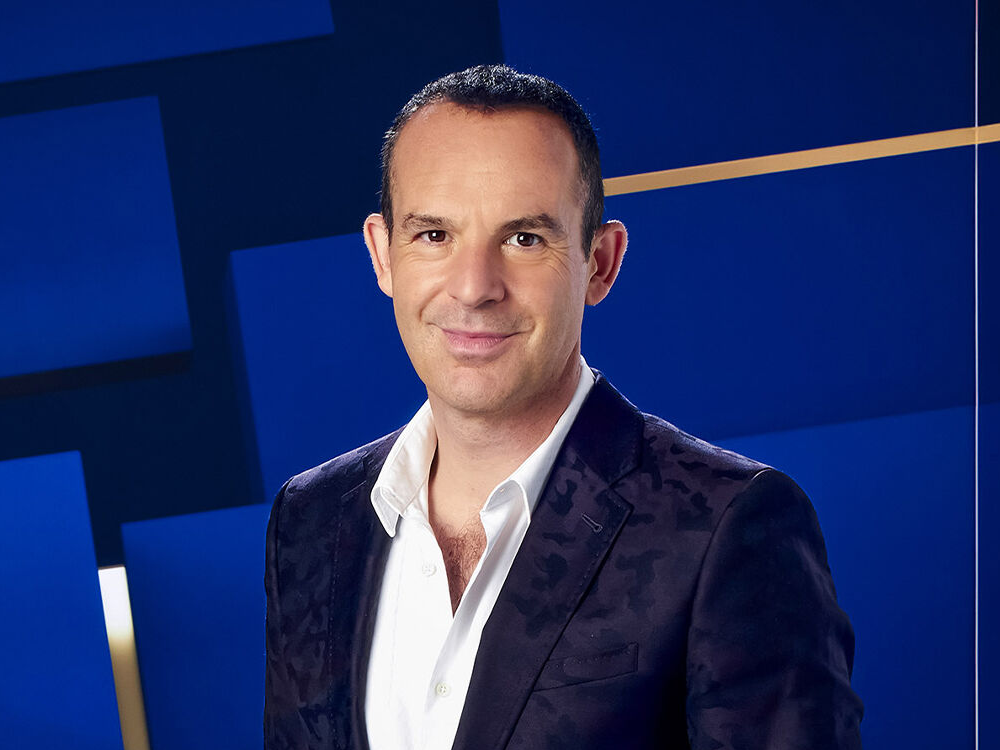
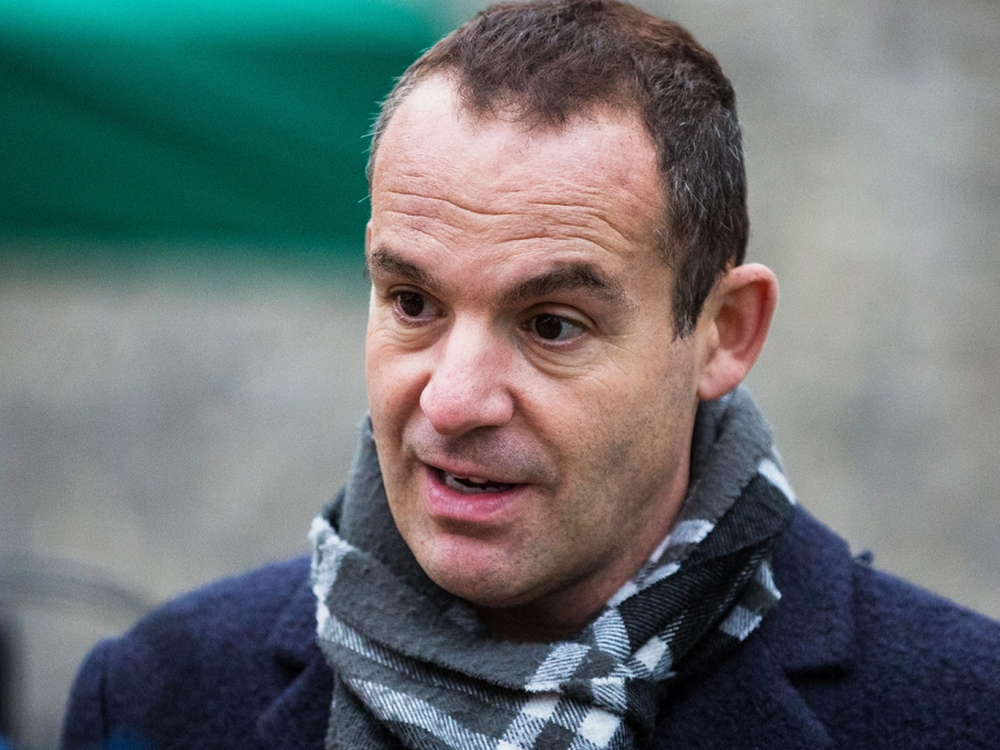
Martin Lewis remains one of the most trusted and recognizable voices in British personal finance, making him a prime target for fraudsters. Scammers frequently hijack his name, face, and even his voice in fake ads and deepfake schemes, luring the public with promises of rapid returns, risk-free investments, and “exclusive” financial shortcuts.

These scams are alarmingly convincing. In one high-profile case, fraudsters generated a deepfake video of Lewis alongside Elon Musk to push a fake Bitcoin platform. Victims were tricked out of life-changing sums, prompting Lewis to brand the scams “sickening” and warn that they are actively ruining lives.

Pages: 1 2

Advertisement

VANISHING CRIMINALS AND STREET FEAR

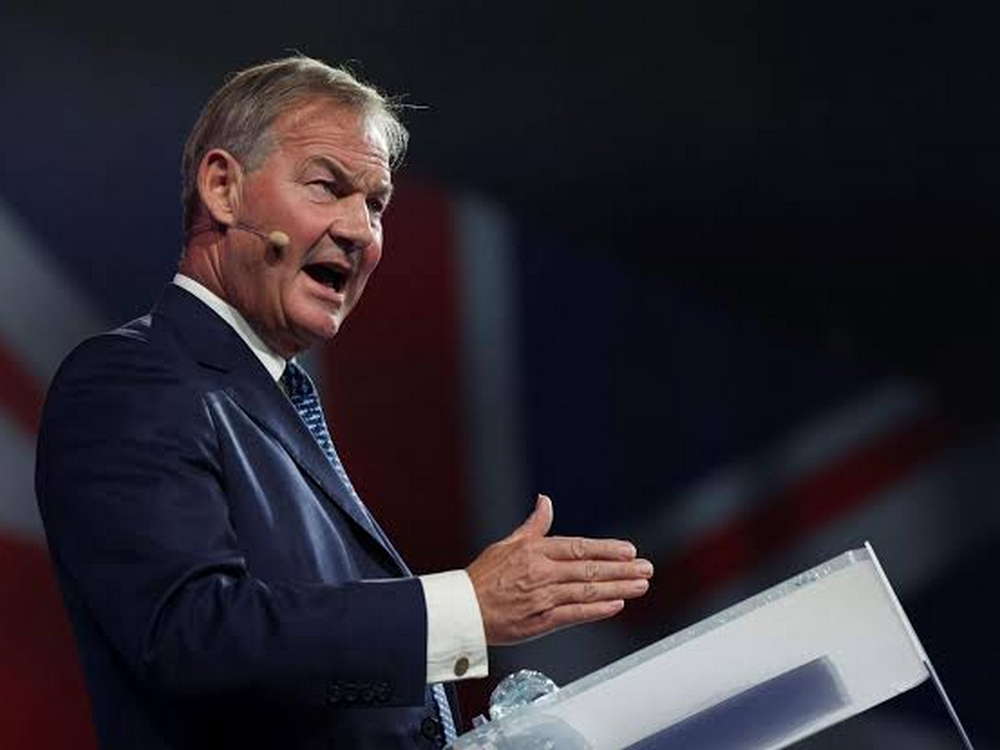
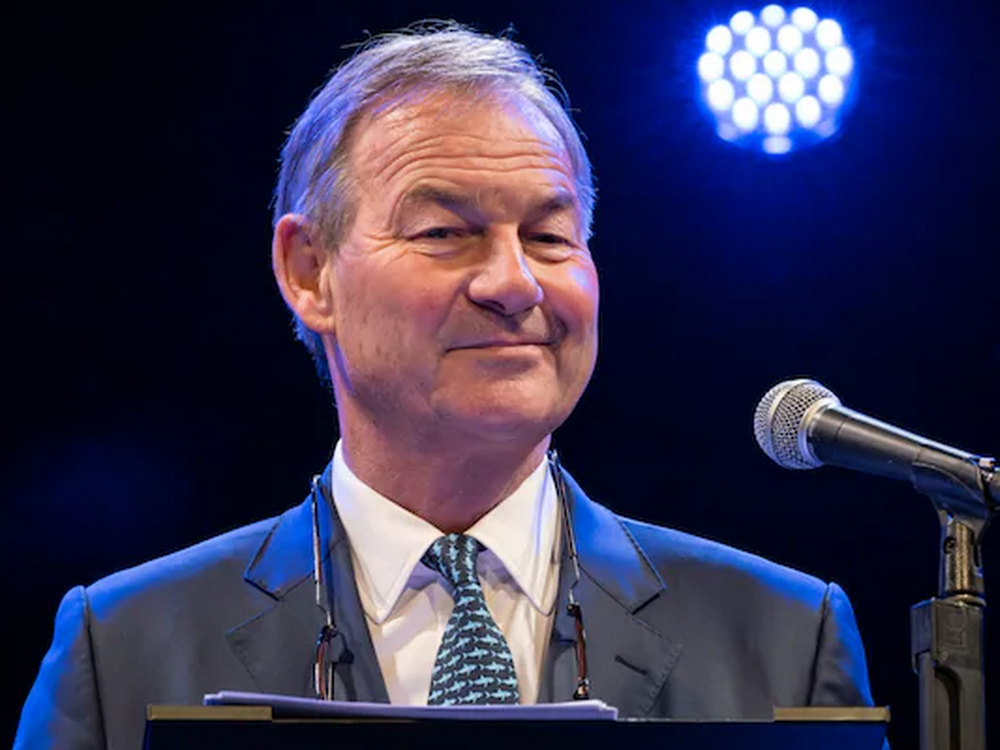
Rupert Lowe is doubling down on the most explosive battlefield in British politics: illegal immigration, public safety, and scathing attacks on the political elite. His rhetoric is calculated to strike where it hurts most—zeroing in on lost foreign offenders, rising fear on the streets, and a growing sense that the state has completely lost control.

Using raw, uncompromising language, Lowe accuses officials of actively hiding the truth about migrant figures. It is an approach designed for maximum friction: he doesn’t just invite debate, he provokes either fiercely loyal backing or total uproar.

Pages: 1 2

Advertisement

THE £5M CRYPTO CASH BOMBSHELL

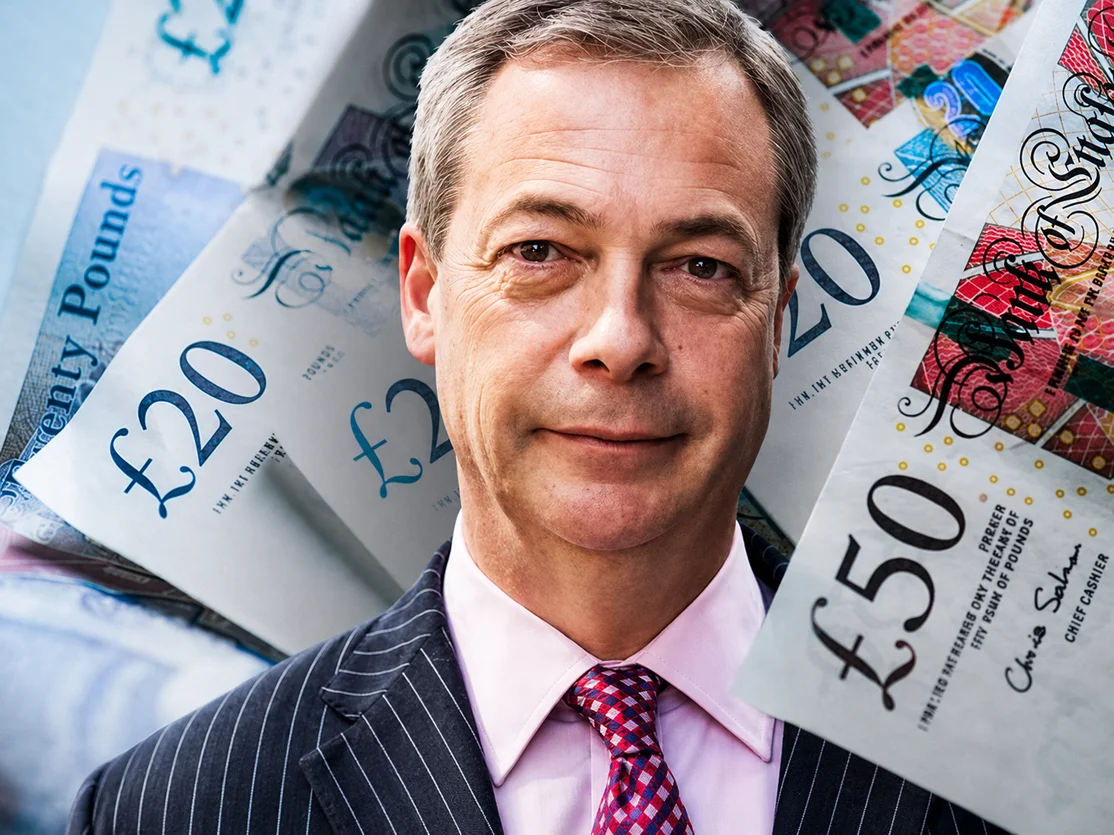
Nigel Farage is back in the spotlight after a fresh wave of controversy blending money, politics, and personal reputation. This time, the heat is on over alleged undeclared gifts and financial backing reportedly received leading up to or around his election to Parliament. Farage insists he has broken no rules, while Reform UK maintains all regulations were strictly followed.

The headline episode stems from an investigation into a £5m gift from crypto tycoon Christopher Harborne. Farage claims the money was a purely personal, unconditional gift rather than a political donation. However, the parliamentary standards watchdog has launched an inquiry, proving this story is far from over despite political denials.

Pages: 1 2

Advertisement

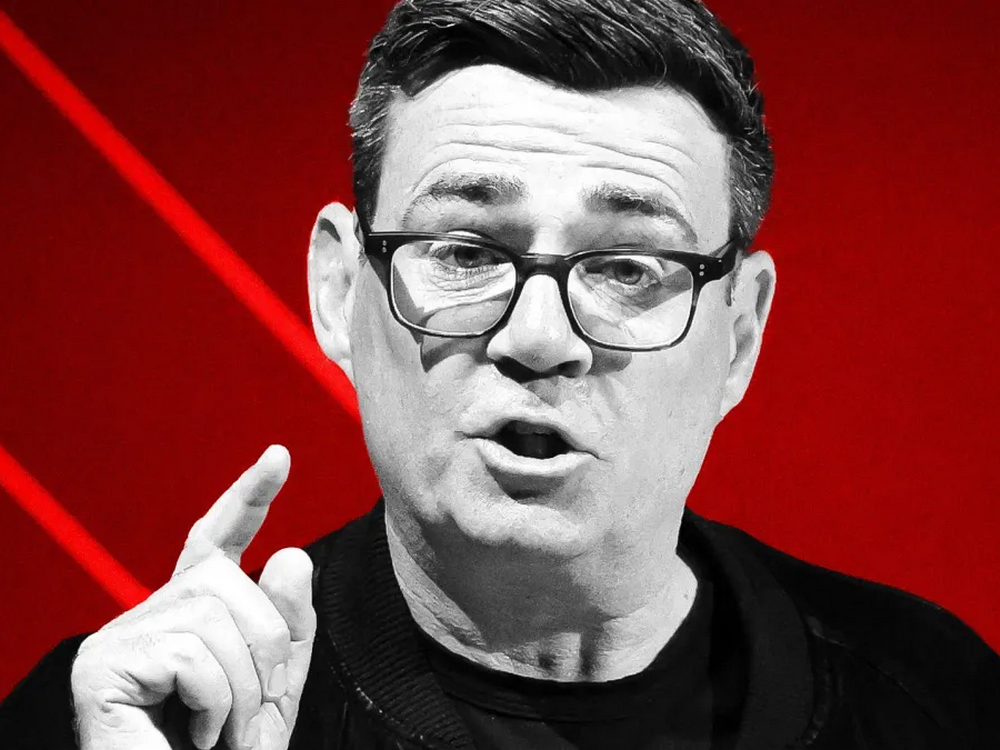
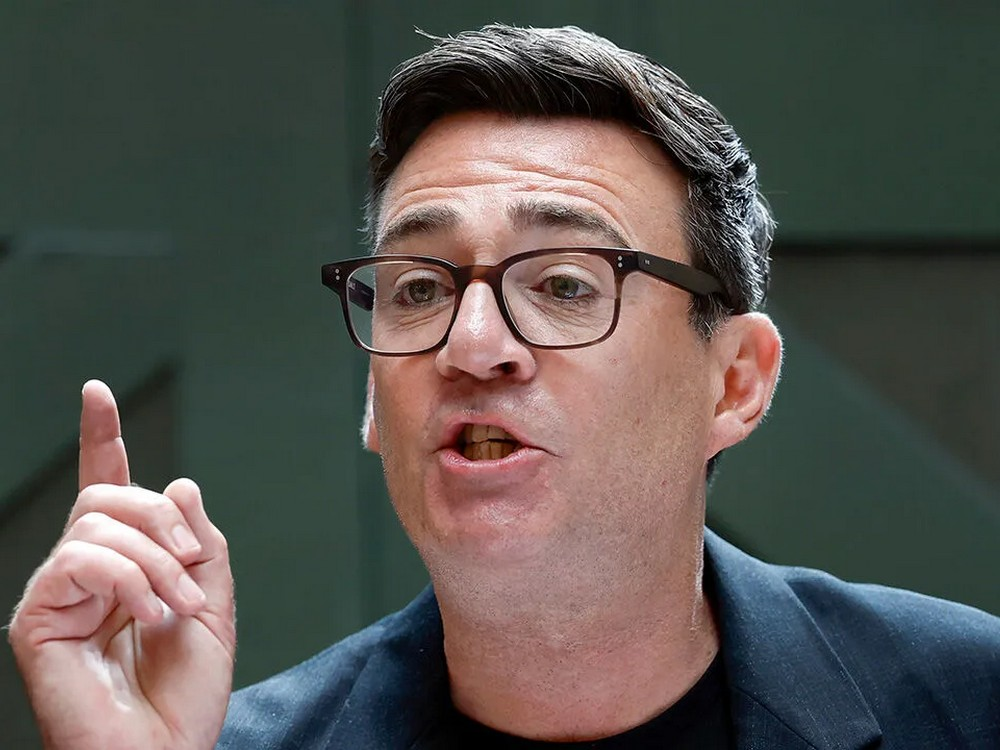
The UK has a new prime minister—and just as the nation attempts to navigate its way out of a political storm, a hot mic has struck again. Andy Burnham, the former Mayor of Greater Manchester and newly installed head of government, made headlines not only for his maiden address outside Downing Street, but also due to a leaked conversation with reporters ahead of his audience with the King. The recording reveals what he was saying before the cameras were officially rolling and the polished PR kicked in.

According to media reports, in the off-the-record chat, Burnham stated bluntly that his top priority is to maintain ‘unwavering’ support for Ukraine while immediately establishing direct lines with key figures in Washington. Two names featured at the top of his call list: Donald Trump and Volodymyr Zelenskyy. One is the US President; the other, a leader whose ongoing backing from London comes against the backdrop of rising living costs and military commitments at home. On the surface, it looks like pragmatic diplomacy, but through the tabloid lens, the narrative is far punchier: a stray microphone picked up the very names that weren’t supposed to be dropped before the royal ceremony.

Pages: 1 2

Advertisement

The UK is officially entering an era of “generous figures and brutal terms.” From April 2026, state pensions and various benefits are being index-linked using multiple formulas, making the headlines look undeniably rosy: payouts are climbing by 3.8%, 4.8%, and even higher, while the Department for Work and Pensions (DWP) trumpets its “care for pensioners and families.” In truth, it is a classic carrot-and-stick maneuver: one hand extends a lump sum of extra cash, while the other subtly pushes you to stay in the workforce longer.

The new State Pension is rising to roughly £241.30 a week, the basic state pension to £184.90, giving many retirees an annual boost of around £575. Officials proudly boast about the triple lock—which allows pensions to outpace inflation—and openly admit that the inflation adjustment alone will cost an extra £11 billion in the 2026/27 financial year. Around £6 billion of this will go to pensions, £3 billion to working-age benefits, and another £2 billion to disability and carer payments.

Simultaneously, the government is bumping up an entire suite of social security payouts. Universal Credit for over-25s is increasing above inflation, with the standard weekly allowance rising from £91 to £98—potentially yielding an annual boost of roughly £775 by the end of the decade. Housing Benefit, Jobseeker’s Allowance, Pension Credit, and Child Disability Living Allowance are all being indexed at 3.8% or higher, feeding into the official narrative: “we are supporting the incomes of vulnerable groups.”

Pages: 1 2

Advertisement

Inflation is not just about rising prices at the supermarket checkout — it is also about the silent erosion of your savings. If your money is left sitting idle and the return on it falls short of inflation, you are not losing cash on paper, but in real terms, you can buy less and less with it. That is why more and more people are looking beyond simply where to hold their money and focusing on how to stop it evaporating before their eyes.

The most common mistake is keeping all your funds in one place without considering when you will actually need them. A portion of your money should be readily accessible for short-term needs, but long-term savings are far better placed where they can at least partially keep pace with inflation.

One of the simplest, standard options is to use high-yield savings accounts or flexible savings products that offer interest rates capable of keeping up with price rises. Another practical approach is fixed-term savings accounts, provided you are sure you will not need the cash in the immediate future. This route will not make you rich overnight, but it does help cushion the blow of inflation.

Pages: 1 2

Advertisement

Andy Burnham took office with a bold message: Britain is tired of old politics, and people are fed up with empty promises. In his first major speech, he made it clear that he intends not merely to patch up the system, but to rebuild it virtually from scratch. The core idea is simple: the government must work for the people, not for political games.

The Prime Minister stated bluntly that the previous model “is not working well enough for ordinary people” — a statement that sounds like a sentence passed on the previous course in itself. Now, Burnham promises to focus on tangible issues: prices, housing, incomes, education, and the day-to-day services that Britons rely on.

One of the most notable points is handing over more powers to the regions. Put simply, London wants to stop micro-managing everything, giving local authorities more freedom and funding. In the PM’s vision, this should speed up decision-making and make the system more dynamic and accessible for people living outside the capital.

Pages: 1 2

Advertisement

In his first speech after taking office, the new UK Prime Minister Andy Burnham promised “the biggest changes in 40 years” and made it clear that he intends to dramatically shift the country’s political course. According to him, Britain has reached a “turning point”, and the previous model of governance no longer meets the needs of ordinary people.

Speaking outside Downing Street, Burnham stressed that British politics must become “more focused on cooperation and problem-solving, rather than scoring points.” The media immediately seized upon this statement, as the new head of government effectively signalled a break from the previous style of political combat, where loud arguments often overshadowed real solutions.

One of the central themes of the speech was decentralisation. Burnham stated that more powers must be handed over to the regions and local communities so they can take a more active role in growing the economy and resolving day-to-day issues themselves. He also promised to bring vital public services back under firmer public control and to use government procurement to support British industry.

Equally attention-grabbing was the Prime Minister’s promise to lay out a new 10-year national development plan later this year. In essence, he offered the British public not just a change of cabinet, but an attempt to rewrite the very logic of state governance — from the economy to social policy.

Pages: 1 2

Advertisement

logo-white

Contact information

Disclaimer

The information provided on this blog is for general informational and entertainment purposes only. All content reflects personal opinions and experiences and should not be considered professional, legal, financial, medical, or other specialized advice. While efforts are made to keep the information accurate and up to date, no guarantees are made regarding completeness, reliability, or accuracy.

All rights reserved © 2026