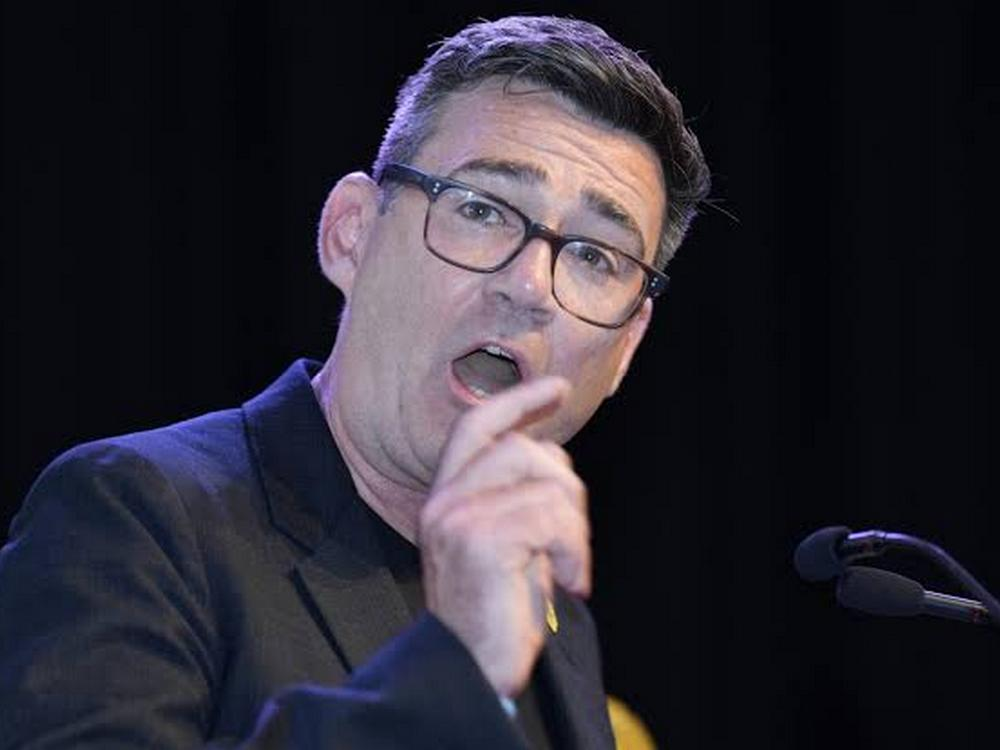
In his first speech after taking office, the new UK Prime Minister Andy Burnham promised “the biggest changes in 40 years” and made it clear that he intends to dramatically shift the country’s political course. According to him, Britain has reached a “turning point”, and the previous model of governance no longer meets the needs of ordinary people.
Advertisement
Speaking outside Downing Street, Burnham stressed that British politics must become “more focused on cooperation and problem-solving, rather than scoring points.” The media immediately seized upon this statement, as the new head of government effectively signalled a break from the previous style of political combat, where loud arguments often overshadowed real solutions.
One of the central themes of the speech was decentralisation. Burnham stated that more powers must be handed over to the regions and local communities so they can take a more active role in growing the economy and resolving day-to-day issues themselves. He also promised to bring vital public services back under firmer public control and to use government procurement to support British industry.
Equally attention-grabbing was the Prime Minister’s promise to lay out a new 10-year national development plan later this year. In essence, he offered the British public not just a change of cabinet, but an attempt to rewrite the very logic of state governance — from the economy to social policy.