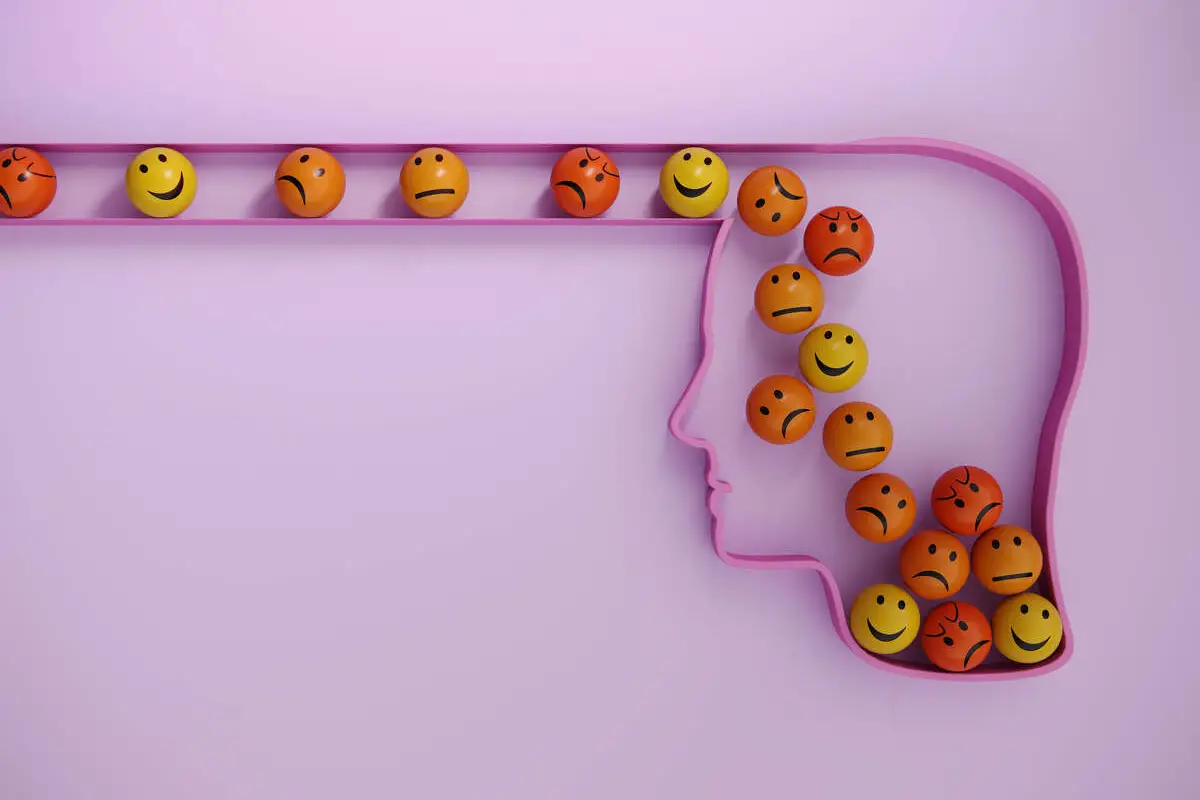
The economics of the attention market deliberately engineer this instability. Algorithms train us to expect a jarring emotional transition between content. A gruesome war report is immediately followed by a targeted advert for home furnishings, an emotional whiplash that fractures the train of thought. This fragmentation prevents the deep synthesis of information. We are left holding a collection of terrifying, disconnected facts without a narrative spine to support them. Knowledge without context is simply noise, and living in a hurricane of noise inevitably leads to a breakdown in rational threat assessment.
Advertisement
For the generation that has matured entirely under this deluge, the mental toll is shaping a unique worldview. Terms like ‘doomscrolling’ entered the lexicon to describe a behavioural loop where anxiety drives consumption and consumption drives anxiety. Anhedonia, or the inability to feel pleasure in normally pleasurable activities, is anecdotally linked to a digital landscape where any optimism is swiftly met with a warning of impending catastrophe. The belief in a linear trajectory of progress, a foundational tenet of post-war society, has been largely eroded, replaced by a grim, meme-based fatalism that sees the future as something to be survived rather than shaped.
Reclaiming agency over the news cycle is attainable. It requires a shift in consumption habits from passive ingestion to active scheduling, treating the news less like an atmospheric current to be breathed constantly and more like a rich meal to be consumed at set times. Deliberate disconnection, the curation of one’s own editorial feeds to focus on depth rather than speed, and a renewed commitment to local, actionable information can suture the wound. The goal is not to become uninformed, but to become functional—to engage with the world’s pain without being swallowed by it.