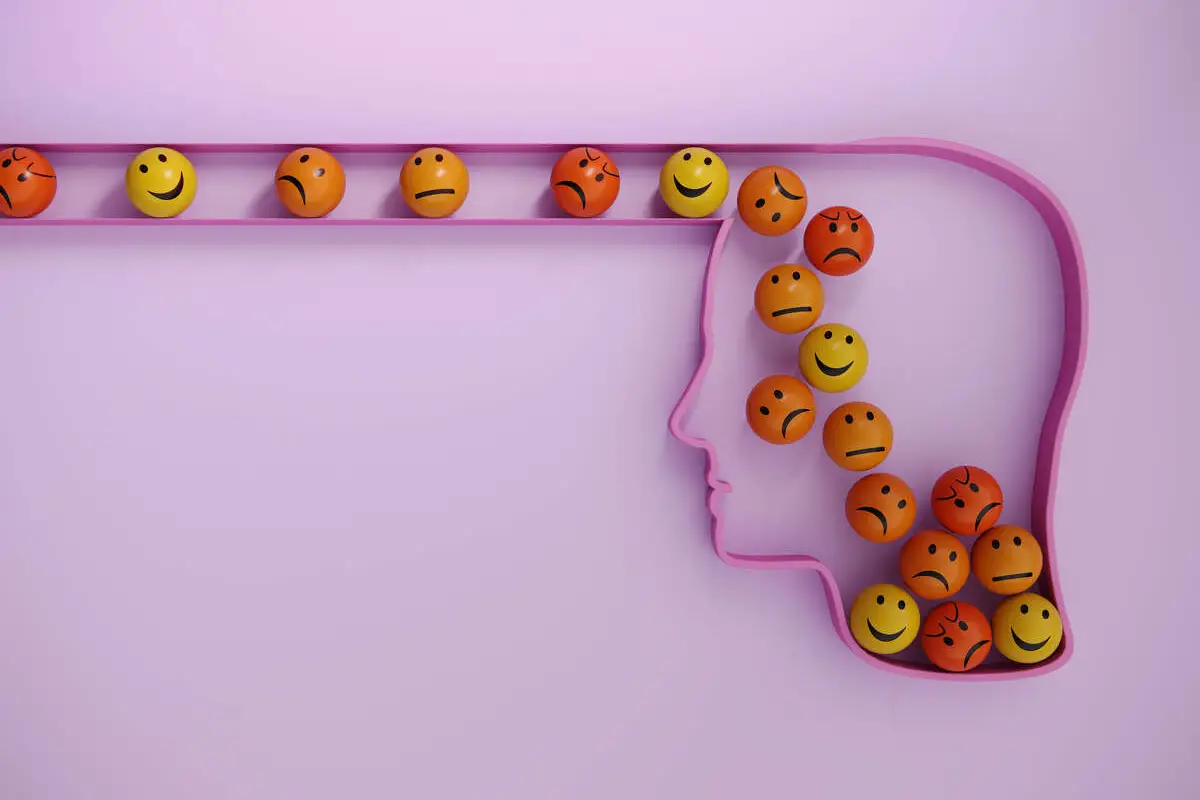
The twenty-four-hour news cycle, once a novel concept confined to a handful of cable networks, has now leaked into the very fabric of daily consciousness via portable screens. It operates not as a window to the world, but as an intravenous drip of crisis, delivering micro-doses of anxiety directly into the bloodstream with every vibration of a phone. The mental toll of this unceasing exposure is not easily categorised as a clinical diagnosis, yet it manifests as a pervasive societal condition—a background hum of dread that drains the cognitive and emotional reserves necessary for grounded, local living.
Advertisement
The human brain is not wired to process the entirety of the planet’s misfortunes in a single breakfast sitting. We evolved with a stimulus-response mechanism designed for the threats within our immediate savannah, not for the aggregated horrors of distant wars, fluctuating markets, and political scandals. When we are perpetually exposed to a narrative of collapse, the amygdala—the brain’s fear centre—remains in a state of low-grade activation. This chronic hyper-vigilance blunts our reaction to genuine local dangers while leaving us jittery and reactive to abstract, uncontrollable global forces, breeding a sense of helplessness that is as exhausting as it is unproductive.
This emotional exhaustion manifests socially as a phenomenon often described as headline stress or compassion fatigue. We become efficient at scrolling past a humanitarian disaster to get to a funny video, not out of malice, but out of a psychic necessity to self-regulate. The guilt that follows this self-protective scroll creates a secondary layer of shame. We are trapped in a bipolar switch between a state of manic urgency—‘I must share this to save the world’—and a numb dissociative state where nothing breaks through the wall of protection. Neither state is conducive to meaningful, sustained civic engagement.