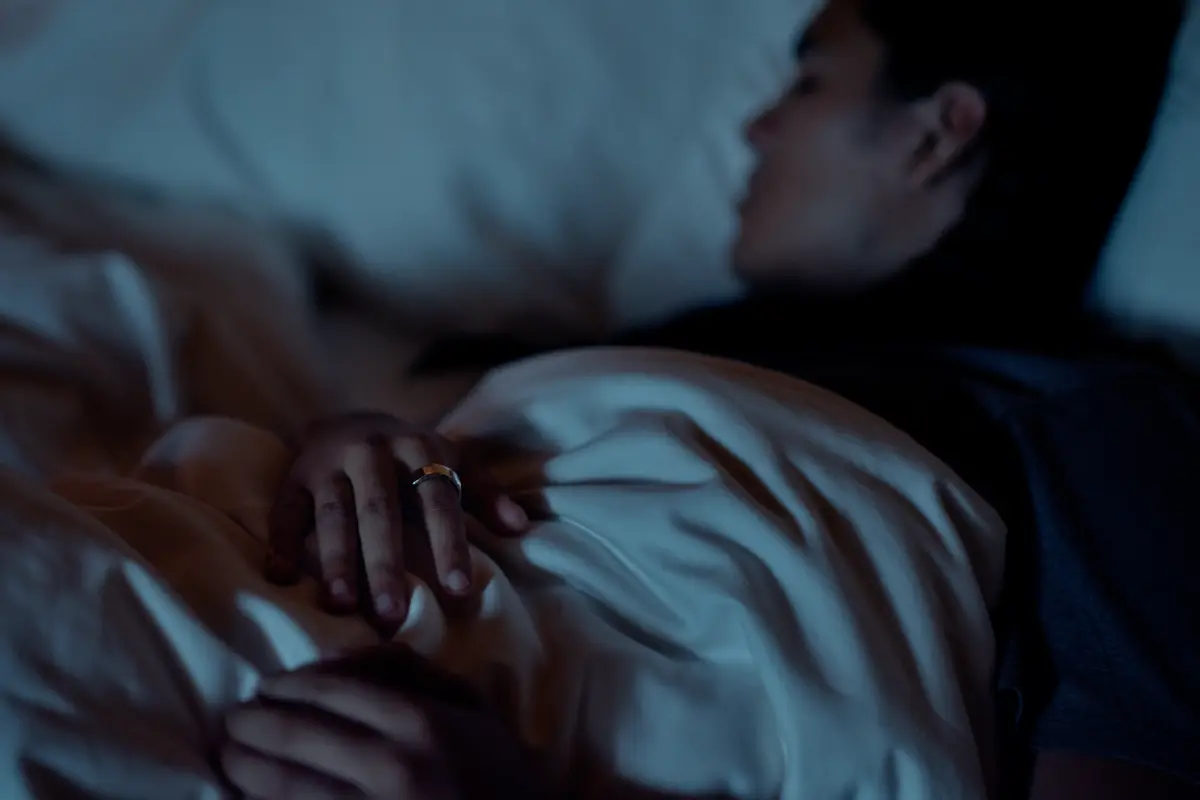
The advice heavily over-indexes on duration at the expense of consistency and environment. A stressed individual is told they must chase an early bedtime to get the magical number eight, leading to them lying in a dark room, in a state of alert wakefulness, their mind racing. This act of ‘trying’ to sleep inverts the biological requirement; sleep is a passive event of the parasympathetic nervous system, a letting go, not an active achievement. The overpromised solution—‘just go to bed earlier’—ignores the basic law that sleep pressure is a biological accumulation, and forcing a body into a bed before the adenosine levels are ready simply trains the brain that the bed is a place for anxious rumination and insomnia.
Advertisement
The supplement and gadget market capitalises on this induced anxiety. Melatonin, sold over the counter in massive, supraphysiological doses, is marketed not as a mild chronobiotic signal for jet lag, but as a nightly sedative. The long-term implications of dosing a delicate, pineal-gland hormone daily in young bodies are not fully understood, but the promise blankets these complexities. The blackout curtain, the white noise machine, the cooling gel pillow—these are materially useful tools, but they are sold as a promise of a pass to the elite sleep club. When the expensive equipment fails to deliver a transcendent, dreamless void, the consumer feels not only tired, but defrauded.
A more honest, less promising approach to rest is one of surrender rather than coercion. It involves accepting that a night of tossing is a normal biological stress response, and that the world does not end with a sub-optimal recovery score. It means tending to the circadian rhythm not by a violent, timed protocol, but by the gentle, consistent cues of morning light and a dark, cool cave. True sleep hygiene is not a high-tech assault on the body’s stubbornness; it is a humble courtship of a wild animal, a quiet, safe, and patient waiting that cannot be forced but, when the conditions are right, reliably arrives. The advice that truly works is the advice that asks us to finally stop trying so hard.