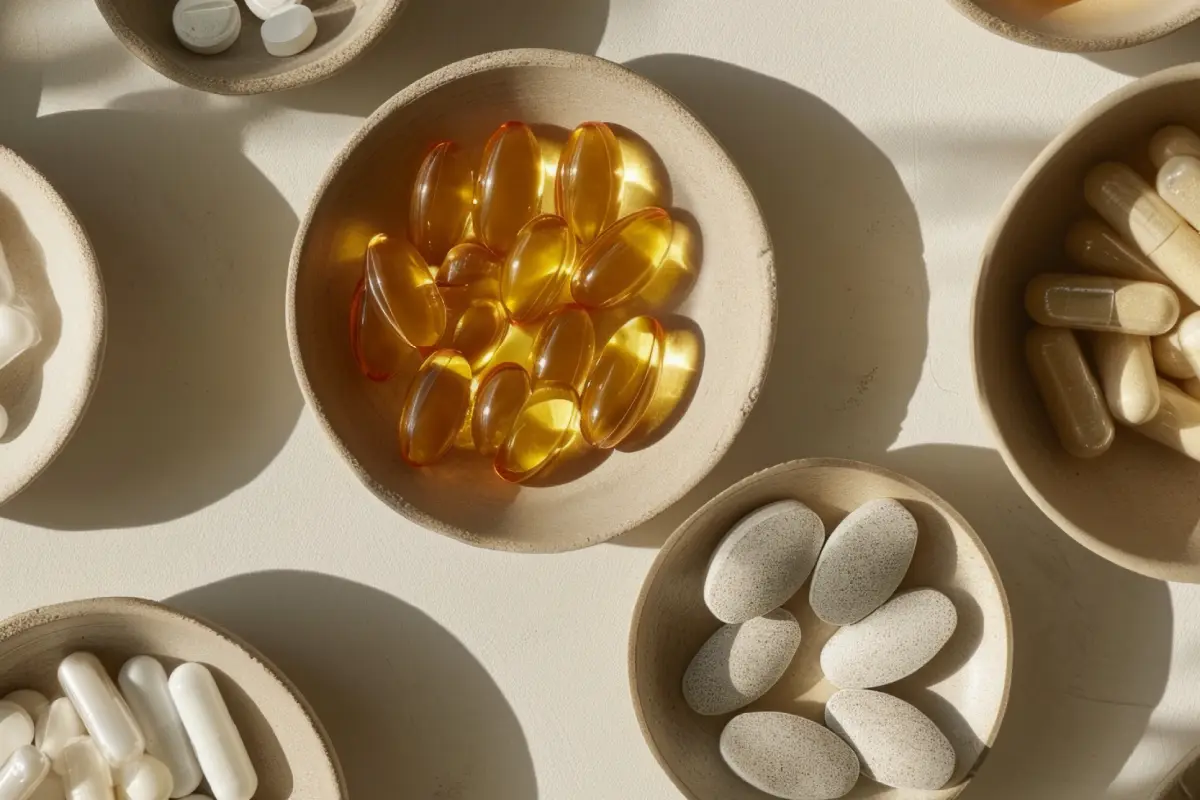
The marketing targets for these products are exquisitely precise, preying on the tired, the aging, and the body-conscious. The nootropic stack is sold to the exhausted young professional as a replacement for sleep. The testosterone booster is sold to the aging male as a rebellion against the biological clock. The fat burner, a term that should raise immediate suspicion, is sold as a thermogenic accelerator. These framing mechanisms address a deep psychic fear but offer a parachute woven from loosely stitched anecdote and ingredient lists that have a statistically insignificant effect size when actually scrutinized. The promise is metabolic alchemy; the reality is often just a heavy dose of caffeine and a light dose of hope.
Advertisement
There are, of course, specific, clinically indicated contexts where supplements are not only useful but essential. Folic acid for early pregnancy, Vitamin D in the sunless latitudes, B12 for those on vegan diets—these are the non-negotiable, evidence-based tools that constitute a targeted intervention. The navigation skill lies in distinguishing this narrow, grey, medical-grade necessity from the technicolour expanse of the wellness wall. A supplement should be a prescription, not a lifestyle. The difference between a targeted correction of a diagnosed sub-clinical deficiency and a spray of hope bought on a subscription model is the margin where profit lives and health often disappears.
A healthier navigation strategy is a default scepticism that values food over synthetics. It is understanding that the regulatory body does not guarantee that a ‘cognitive enhancing’ mushroom powder contains any active mushroom mycelium and not just a filler of ground rice. It is the courage to take the bottle of green pills back to the chemist and, with the money saved, purchase a bag of actual greens, a head of broccoli, a bunch of spinach. Supplements are powerful actors that should be treated with the caution of a chemical intervention, not the abandon of a grocery purchase, and the wisest path through this world is often to leave the bottle on the shelf and walk to the fresh produce aisle.