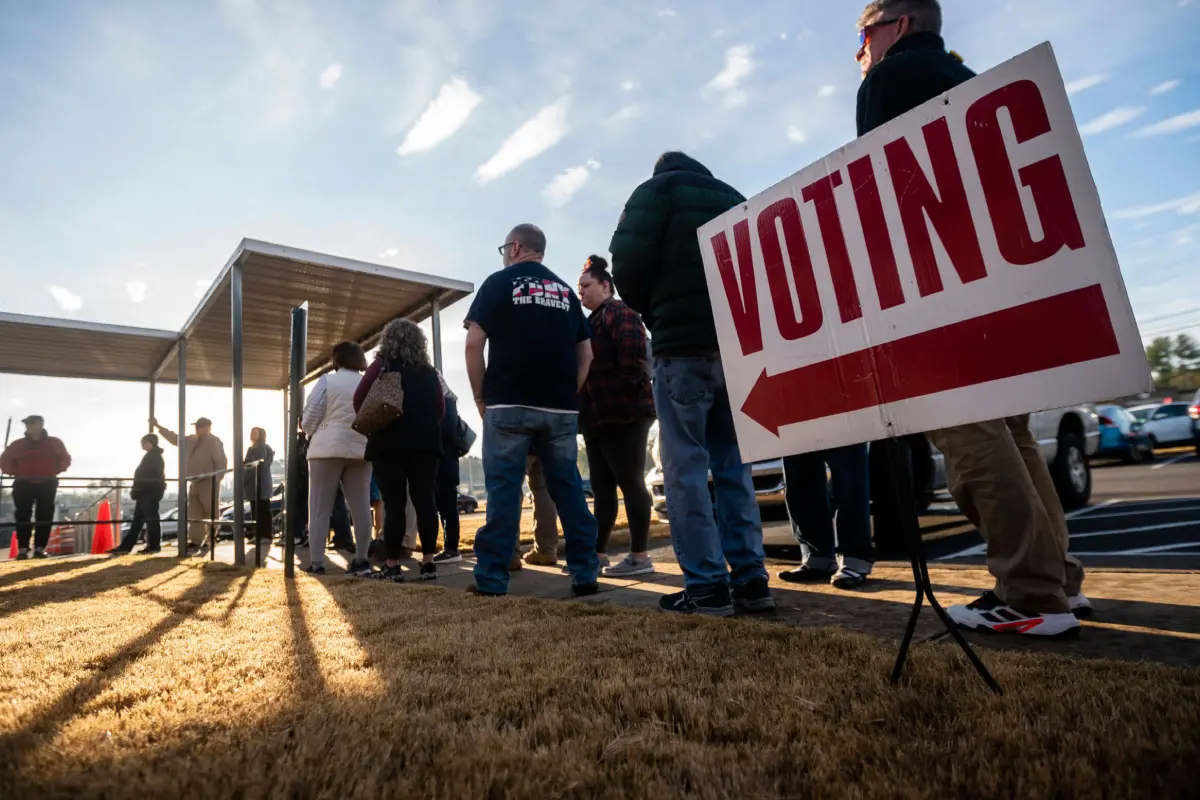
Generational patterns further entrench the divide. For the younger cohorts, the civic rituals of their parents—reading a daily newspaper, attending a town hall, voting as a rite of passage—have not been successfully transmitted in a digital environment. Political parties have largely abandoned the long, slow work of civic education in favour of short, targeted data-mining exercises that extract a vote like a resource rather than nurturing a citizen. A young person’s first interaction with politics is too often a micro-targeted horror story about the opposing party, a negative introduction that breeds distrust for the whole machinery. Without early positive reinforcement, the habit of voting never crystallizes.
Advertisement
The structure of the electoral system itself can act as a dampener. In heavily gerrymandered safe seats or first-past-the-post systems that drive a two-party duopoly, vast numbers of people live in electoral deserts where their vote has no mathematical consequence. Telling a purple voter in a deep blue district that their presidential vote matters is a defiance of arithmetic. When the system is explicitly designed to ignore a minority in a geographic zone, apathy is not a choice; it is a structural imposition. The citizen does not fail the vote; the cartography and the electoral law fail the citizen.
Re-engaging the silent voter requires a radically different offering. It means lowering the barrier to entry through automatic registration and making voting a festive, accessible community event rather than a Tuesday bureaucratic chore. It demands campaign finance reform that shifts the focus from the billionaire donor back to the door-knocking conversation. Most crucially, it demands that politicians begin solving problems that are proportionate to the office they seek, focusing on the local, the actionable, and the real. Trust is rebuilt in the concrete, not the abstract, and the cure for apathy is a single, visible instance of a promise kept.